
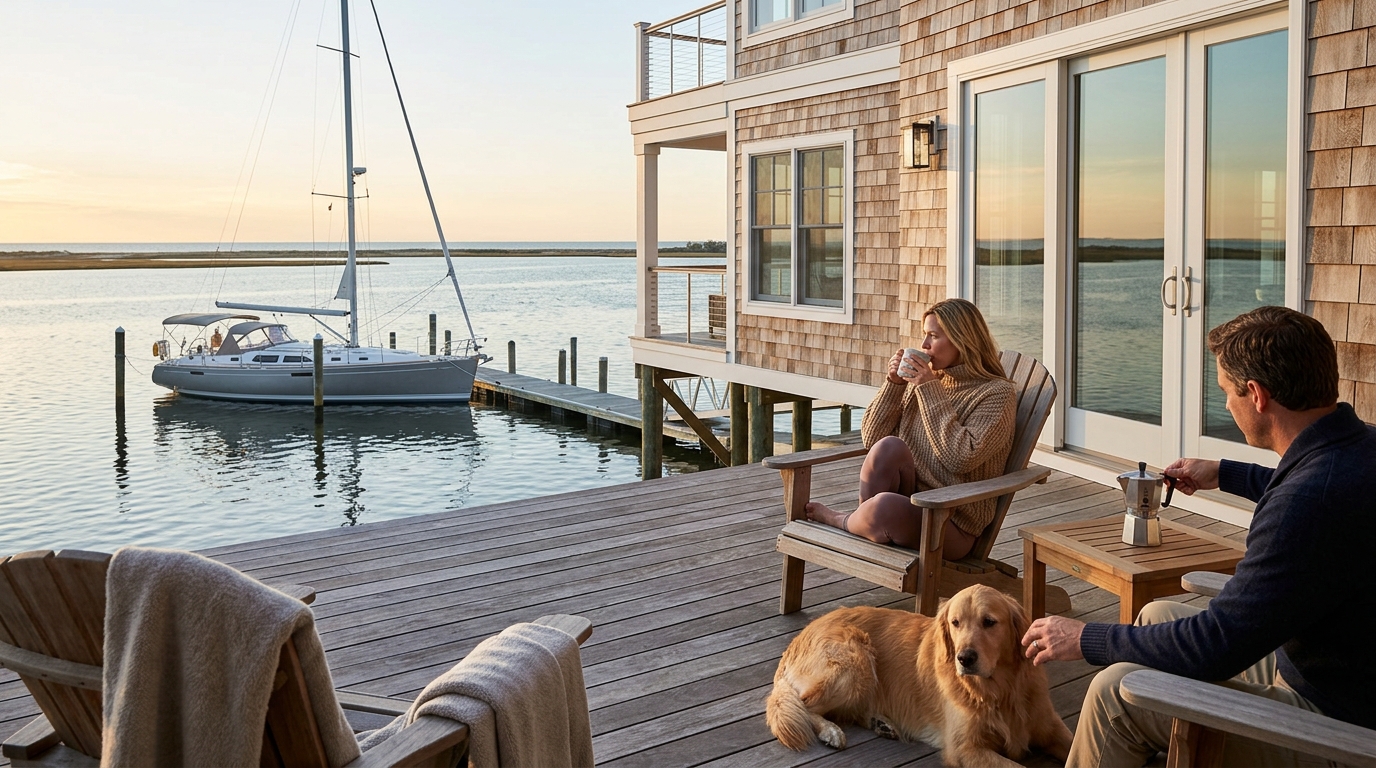
Living on the Atlantic coast of Delaware demands a specific approach to home construction and maintenance. Fenwick Island waterfront homes are not merely luxury properties; they are engineered structures designed to withstand harsh coastal elements. According to recent coastal development reports, properties in this region must adhere to strict elevation and flood zone regulations to ensure long-term viability. This guide outlines the essential features, quality standards, and operational realities of owning a waterfront estate in this exclusive Sussex County community. (Delaware Beach Real Estate)
Structural Integrity and Elevation Standards
The foundation of any Fenwick Island waterfront home is its compliance with federal and local building codes. These regulations are not suggestions; they are mandatory requirements for insurance and occupancy. The primary standard involves the Base Flood Elevation (BFE). Homes must be elevated above this line to minimize flood damage during storm surges. (Delaware Beach Real Estate)
Elevation Requirements
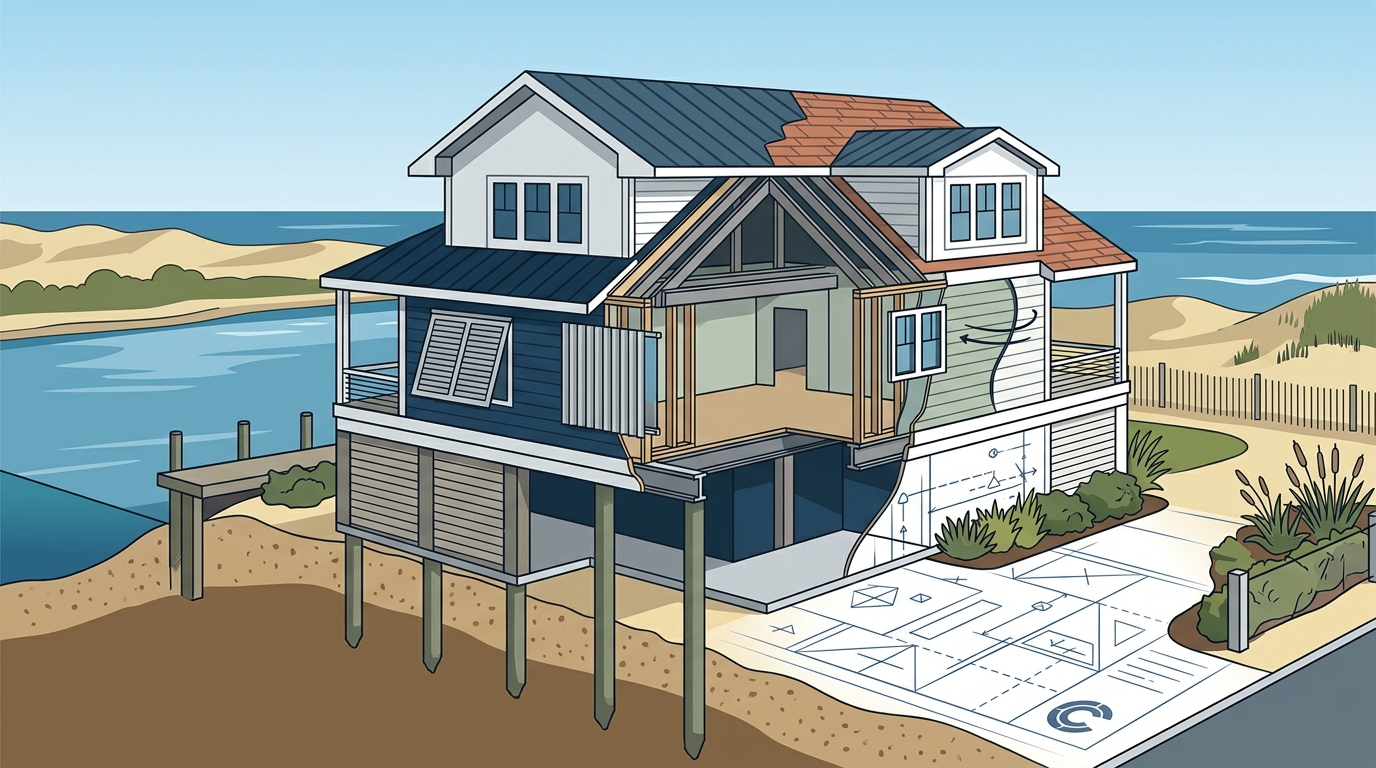
Fenwick Island is located in a high-risk flood zone. This classification dictates that the lowest floor, including the basement, must be at or above the designated BFE. For many oceanfront lots, this means the first living floor is significantly elevated, often requiring a substantial staircase to reach the main entrance. This design feature is critical for protecting the structural core of the house from saltwater intrusion. (Dewey Beach Real Estate)
Flood Insurance and Compliance
Ownership of a waterfront property in this region necessitates a robust flood insurance policy. The National Flood Insurance Program (NFIP) sets the baseline, but private market policies often provide higher coverage limits. Understanding these requirements is vital for budgeting. Properties that do not meet current elevation standards may face costly retrofits or restrictions on renovation.
For a detailed understanding of these federal guidelines, you can review the FEMA flood map service center which provides specific elevation data for Sussex County.
Essential Oceanfront Features
Oceanfront homes in Fenwick Island offer a distinct lifestyle defined by direct beach access and panoramic views. However, these features come with specific maintenance and design considerations. The quality of these features often determines the property's value and rental potential.
Private Beach Access
True oceanfront status includes deeded private beach access. This is a highly prized feature that separates premium listings from those merely "near" the beach. The access path must be durable, often constructed with reinforced concrete or treated wood, to withstand constant foot traffic and salt exposure. Crowley Real Estate Associates Inc. manages numerous Fenwick Island Real Estate listings where this access is a primary selling point.
Outdoor Living Spaces
High-quality waterfront homes feature expansive outdoor decks designed for coastal weather. These spaces typically use composite materials or treated hardwoods that resist rot and warping. Railings are often constructed from stainless steel or aluminum to prevent rust. The integration of outdoor kitchens and fire pits enhances the entertainment value of these spaces.
Impact-Resistant Windows
Modern coastal construction standards increasingly require impact-resistant windows and doors. These fixtures protect the interior from wind-driven debris during storms. They also provide superior insulation, reducing energy costs in both summer and winter. When evaluating a property, inspect the age and rating of these windows to assess future maintenance needs.
For insights on coastal construction materials, refer to the FloodSmart.gov resource guide which details material resilience strategies.
Interior Quality and Material Selection
The interior of a Fenwick Island waterfront home must balance luxury with durability. Salt air is corrosive, and humidity is constant. Therefore, material selection is not just an aesthetic choice but a functional necessity.
Moisture-Resistant Materials
Waterproof drywall and tile flooring are standard in lower levels and bathrooms. Hardwood floors, while beautiful, require careful sealing and monitoring for warping. High-quality homes often use engineered wood or luxury vinyl plank in areas prone to moisture. These materials provide the look of natural wood without the susceptibility to water damage.
HVAC and Dehumidification
A robust HVAC system is essential for maintaining indoor air quality. In coastal regions, humidity control is as important as temperature control. Industrial-grade dehumidifiers are often installed in basements and crawl spaces to prevent mold growth. This system ensures that the home remains comfortable and dry year-round, even during the humid summer months.
Smart Home Integration
Modern waterfront homes increasingly feature smart home technology. This includes automated lighting, security systems, and climate control. These systems allow owners to monitor and manage their property remotely, which is crucial for vacation homeowners who may not be on-site frequently. Security is particularly important in beach communities during the off-season.
According to the National Association of Realtors housing data, smart home features are becoming a standard expectation in luxury coastal markets.
Waterfront vs. Inland Property Comparison
Choosing between a waterfront home and an inland property in Fenwick Island involves weighing several factors. While waterfront homes offer direct beach access, they come with higher costs and maintenance requirements. Inland properties offer more space for the price and lower insurance premiums.
| Feature | Fenwick Island Waterfront | Inland Sussex County |
|---|---|---|
| Beach Access | Private or Direct Public | Shared Community or Walking Distance |
| Flood Insurance | High Premium Required | Lower or Optional |
| Maintenance | High (Salt/Humidity) | Standard Residential |
| Resale Value | Higher Appreciation | Stable Growth |
| Privacy | Variable (Lot Size) | Generally Higher |
For those interested in comparing specific listings, Crowley Real Estate offers a comprehensive Beach Vacation Rentals database that highlights both waterfront and inland options.
Key Takeaways
- Elevation is Critical: All Fenwick Island waterfront homes must meet strict FEMA elevation standards to ensure flood resilience.
- Insurance Costs: Expect significantly higher flood insurance premiums for oceanfront properties compared to inland homes.
- Material Durability: High-quality homes use corrosion-resistant materials for decks, railings, and exterior fixtures.
- Private Access Value: Deeded private beach access is a primary driver of property value in this market.
- Expert Guidance: Navigating these complexities requires a local expert with deep knowledge of Sussex County regulations.
- Maintenance Needs: Salt air requires more frequent maintenance of HVAC systems and exterior surfaces.
- Long-Term Viability: Compliance with building codes ensures the long-term insurability and livability of the home.
Frequently Asked Questions
What is the Base Flood Elevation for Fenwick Island?
The Base Flood Elevation (BFE) varies by specific lot location within Fenwick Island. It is determined by FEMA flood maps and dictates the minimum height for the lowest floor of a home. Properties must be built or elevated to meet or exceed this line.
Do I need flood insurance for a waterfront home?
Yes, flood insurance is mandatory for waterfront homes in Fenwick Island if the property is located in a high-risk flood zone and has a mortgage. Even for cash buyers, it is highly recommended due to the significant risk of storm surge damage.
How does salt air affect home maintenance?
Salt air accelerates corrosion on metal fixtures, decks, and HVAC units. High-quality waterfront homes use stainless steel, aluminum, and treated wood to mitigate this. Regular cleaning and inspection are essential to prevent premature wear.
What is the difference between oceanfront and near-oceanfront?
Oceanfront homes have direct access to the beach and typically include private beach paths. Near-oceanfront homes are located one or more blocks inland, offering proximity to the beach but without direct access, often resulting in lower insurance costs.
Can I rent out my Fenwick Island waterfront home?
Yes, many waterfront homes are used as vacation rentals. However, you must comply with local zoning laws and obtain the necessary permits. Crowley Real Estate Associates Inc. can assist with rental management and regulatory compliance.
What are the best neighborhoods in Fenwick Island?
Popular areas include the Oceanfront blocks, the Bay Side communities, and the newer developments near the inlet. Each area offers different advantages regarding privacy, beach access, and proximity to amenities.
Contact Crowley Real Estate
Buying or selling a Fenwick Island waterfront home requires specialized knowledge of coastal regulations and market dynamics. Crowley Real Estate Associates Inc. has been a trusted name in Delaware Beach Real Estate since 1973. Our team of seasoned professionals is dedicated to guiding you through every step of the transaction.
For expert assistance with your waterfront property needs, contact our Sales Office today. We are here to help you find the perfect coastal home or sell your property for maximum value.